Rheumatology CME
1 - 14 of 14 results

Maximize your CME allowance with MDCalc and get up to a $3,500 bonus gift card of your choice. Earn AMA PRA Category 1 CreditsTM for clinical content on 150+ calculators across multiple medical specialties. Easily earn and redeem CME at the point-of-care, online on our website or mobile app. Over 1 million medical professionals use MDCalc’s 550+ tools daily to support clinical decision making at the bedside.
See full details chevron_rightRheumatology CME: Expand Your Knowledge
The Brigham Board Review and Comprehensive Update in Rheumatology is designed to improve overall knowledge and clinical competency with comprehensive updates on basic principles, changing guidelines and therapeutic strategies. In this convenient online CME program, world-renowned faculty — led by Jonathan S. Coblyn, MD, Paul F. Dellaripa, MD, and Simon M. Helfgott, MD — cover key rheumatologic medicine topic areas, including:
Updates in Primary Immunodeficiency provides an educational forum for in-depth reviews of common and rare inborn errors of immunity (IEI). Cleveland Clinic’s expert faculty discusses this group of more than 400 complex, chronic disorders, and provides insight on developing diagnostics, therapies and advances in treatment. Healthcare practitioners with an interest in allergy, immunology, rheumatology, hematology and more will all benefit from the didactic lectures and cases presented throughout this comprehensive activity. Worth 10 AMA PRA Category I Credits™ applicable to American Board of Allergy and Immunology Continuing Certification. ANCC and AAPA accreditation provided as well!
See full details chevron_rightStay on top of your game with the StatPearls Physician Unlimited CME programs. With 6,046 activities, StatPearls is the largest CME provider in the world. These Pub-Med Indexed articles are categorized into 162 specialty areas which lets you better access activities that will make the biggest impact on your practice. One subscription allows access to all the activities, including all state-requirements.
Pricing Options
The course introduces the reader to the endocannabinoid system and its interaction with the components of the cannabis plant, and addresses various aspects of medical marijuana, including administration, therapeutic use, drug metabolism, physiologic and cognitive effects, potential risks, and drug interactions.
The use of marijuana in obstetric patients, pediatric patients, adolescent patients and elderly patients is discussed in detail. Important considerations for patients with ischemic heart disease, hepatic disease, psychotic illness, and those with a history of drug dependence are also provided.
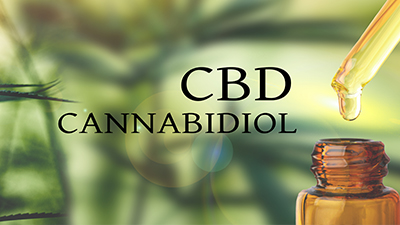
See full details chevron_rightCBD in Clinical Care provides information that will assist clinicians in effectively treating and counseling cannabidiol (CBD) consumers. The physiological effects of CBD, CBD drug interactions, CBD’s side effects, and the conditions for which CBD has been shown by evidence-based clinical studies to be efficacious are all discussed in this course.
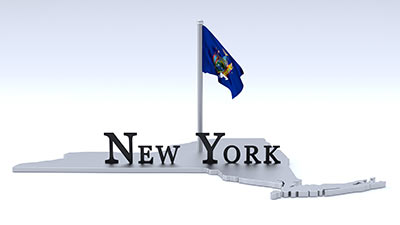
See full details chevron_rightThe New York Medical Cannabis Program Required Course Bundle has been approved by the New York State Office of Cannabis Management and satisfies the New York educational requirements to become a practitioner with the New York Medical Cannabis Program.
This bundle introduces the reader to the endocannabinoid system and its interaction with the components of the cannabis plant, and addresses various aspects of medical marijuana, including administration, therapeutic use, drug metabolism, physiologic and cognitive effects, potential risks, and drug interactions.
The use of marijuana in obstetric patients, pediatric patients, adolescent patients and elderly patients is discussed in detail. Important considerations for patients with ischemic heart disease, hepatic disease, psychotic illness, and those with a history of drug dependence are provided.
The New York State Medical Cannabis Program Rules and Regulations are outlined in a state-specific course, as well.
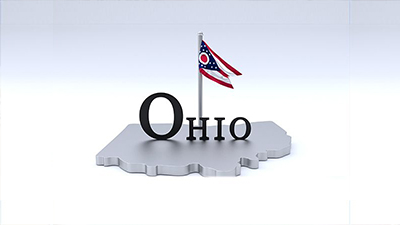
See full details chevron_rightThe Ohio Healthcare Provider Medical Marijuana Course Bundle for Certification (or maintenance of the CTR) is certified by the Ohio State Medical Association and satisfies the CME requirements for the initial Ohio Certificate to Recommend (CTR) application or for maintenance of the CTR.
This bundle introduces the reader to the endocannabinoid system and its interaction with the components of the cannabis plant, and addresses various aspects of medical marijuana, including administration, therapeutic use, drug metabolism, physiologic and cognitive effects, potential risks, and drug interactions.
The use of marijuana in obstetric patients, pediatric patients, adolescent patients and elderly patients is discussed in detail. Important considerations for patients with ischemic heart disease, hepatic disease, psychotic illness, and those with a history of drug dependence are provided.
The Ohio Medical Marijuana Control Program rules and regulations are outlined in a state-specific course, as well.
See full details chevron_rightThe Pennsylvania Medical Marijuana Program Required Course Bundle has been approved by the Pennsylvania Department of Health and satisfies the Pennsylvania educational requirements to become a practitioner with the Pennsylvania Medical Marijuana Program.
This bundle introduces the reader to the endocannabinoid system and its interaction with the components of the cannabis plant, and addresses various aspects of medical marijuana, including administration, therapeutic use, drug metabolism, physiologic and cognitive effects, potential risks, and drug interactions.
The use of marijuana in obstetric patients, pediatric patients, adolescent patients and elderly patients is discussed in detail. Important considerations for patients with ischemic heart disease, hepatic disease, psychotic illness, and those with a history of drug dependence are provided.
This course bundle also addresses the use of cannabidiol (CBD) in clinical care, and the information will assist clinicians in effectively treating and counseling CBD consumers. The physiological effects of CBD, CBD drug interactions, CBD’s side effects, and the conditions for which CBD has been shown by evidence-based clinical studies to be efficacious are all discussed in this course bundle.
The Pennsylvania Medical Marijuana Program rules and regulations are outlined in a state-specific course, as well.
See full details chevron_rightThe Utah Medical Cannabis Program Required Course Bundle has been approved by the Utah Department of Health and satisfies the Utah educational requirements to become a practitioner with the Utah Medical Cannabis Program.
The Utah Medical Cannabis Program Required Course Bundle introduces the reader to the endocannabinoid system and its interaction with the components of the cannabis plant, and addresses administration, therapeutic use, drug metabolism, physiologic and cognitive effects, potential risks, and drug interactions.
The use of marijuana in obstetric patients, pediatric patients, adolescent patients and elderly patients is discussed in detail. Important considerations for patients with ischemic heart disease, hepatic disease, psychotic illness, and those with a history of drug dependence are provided.
This course bundle also provides information that assists clinicians in effectively treating and counseling CBD consumers.
See full details chevron_rightThe West Virginia Medical Cannabis Program Required Course Bundle has been approved by the West Virginia Department of Health and Human Resources, Bureau for Public Health, Office of Medical Cannabis and satisfies the West Virginia educational requirements to become a practitioner with the West Virginia Medical Cannabis Program.
This course introduces the reader to the endocannabinoid system and its interaction with the components of the cannabis plant, and addresses administration, therapeutic use, drug metabolism, physiologic and cognitive effects, potential risks, and drug interactions.
The use of marijuana in obstetric patients, pediatric patients, adolescent patients and elderly patients is discussed in detail. Important considerations for patients with ischemic heart disease, hepatic disease, psychotic illness, and those with a history of drug dependence are provided.
This course bundle also addresses the use of cannabidiol (CBD) in clinical care, and the information will assist clinicians in effectively treating and counseling CBD consumers. The physiological effects of CBD, CBD drug interactions, CBD’s side effects, and the conditions for which CBD has been shown by evidence-based clinical studies to be efficacious are all discussed in this course bundle.
The West Virginia medical cannabis program rules and regulations are outlined in a state-specific course, as well.
The West Virginia medical cannabis program rules and regulations are outlined in a state-specific course, as well.
See full details chevron_rightExpert Advice and Insightful Commentary
The MKSAP® 19 Audio Companion sheds light on the latest diagnostic approaches, management strategies, and treatment guidelines. In this comprehensive audio CME program, you’ll join host Donald L. Deye, MD, FACP, as he leads lively discussions with esteemed colleagues in 11 internal medicine subspecialties. Listen as experienced clinicians from some of the world’s finest medical institutions share patient stories, insightful views of recent clinical advances, and more.
Anytime, Anywhere Audio CME
With the MKSAP 19 Audio Companion, you get:
Audience
General internists and primary care physicians; subspecialists who need to remain up to date in internal medicine; residents preparing for the certifying examination in internal medicine; physicians preparing for the recertification examination.
Learning Objectives
Target Audience: Physicians focusing on Allergy, Rheumatology.
See full details chevron_rightBiosimilar drugs are products meant to be similar in quality, safety, and efficacy to an already licensed reference biotherapeutic product. Whereas generics are virtually identical replicas of conventional medications, biosimilars are not the same as the original product – a practically unavoidable outcome because of the considerably large molecular structure that biologics mimic. The literature suggests that learning activities focused on the evolving landscape of biosimilars, which are germane to the therapeutic area because of their potential role in cost containment. Both the FDA and medical literature independently affirm the need for clinician education on biosimilars, including: comparative efficacy; adverse event rates and management (potential concerns have included immunogenicity); regulatory guidance on interchangeability and substitution – including prescribers retaining some degree of ability to intervene in a product’s substitution at the dispensing stage; and cost considerations.
Target Audience:
The following healthcare professionals: Rheumatologists, gastroenterologists, and primary care physicians; physician assistants, nurse practitioners, and pharmacists who practice in the aforementioned areas of specialty; and any other healthcare professionals with an interest in or who clinically encounter patients with the inflammatory disease states covered by this activity.
By the end of the session the participant will be able to:
Receive special offers, keep up with MOC requirements and stay informed of the latest offerings in free online CME in your specialty.