Pain Management
1 - 6 of 6 results

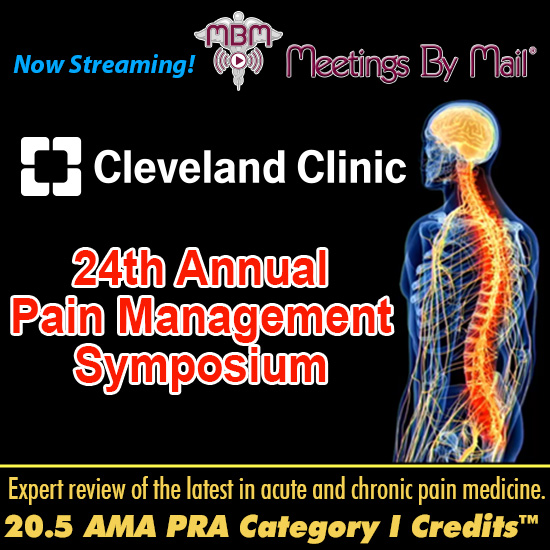
The Cleveland Clinic Pain Management Symposium is a renowned event crafted for healthcare professionals seeking to expand their skillset in pain management. This comprehensive course covers the latest innovations in pain treatment, including innovative pharmacological approaches, interventional techniques, and neuromodulation strategies. With authority-driven sessions, interactive workshops, and networking opportunities, participants gain valuable insights to improve patient outcomes and stay at the cutting edge of pain medicine. Perfect for professionals dedicated to advancing their clinical practice!
See full details chevron_rightPri-Med’s P.A.C.T. Update: Practical Approaches to Comprehensive Treatment of Pain 2024-25 curriculum focuses on improving practitioners’ ability to recognize, diagnose, and classify pain; educating clinicians on the full spectrum of pain management options, including non-opioid pharmacologic interventions; and providing risk reduction strategies through integration of opioids into individualized pain management plans. Clinicians will learn to recognize signs and symptoms of opioid dependence and abuse in order to optimally manage patients’ pain and medication use.
Learning Objectives
Learn about the treatment of chronic pain and substance abuse with the BoardVitals Chronic Pain Management & Substance Abuse CME Activity. Features include:
• 100 Chronic Pain Management & Substance Abuse questions
• Detailed rationales and explanations for each answer
• Up to 7 AMA PRA Category 1 Credits
• 12 months access
After completing the BoardVitals Chronic Pain Management & Substance Abuse CME Activity, you should be able to
• Identify the most commonly abused substances
• Recognize the most common indicators and symptoms of substance abuse and pain medicine dependency
• Describe the underlying pathophysiology of disease and basic science knowledge
• Formulate treatment for chronic pain management and substance abuse
A new, comprehensive resource designed to support clinicians across all specialties. Whether you’re treating heart disease, infectious illnesses, or managing preventive care, this collection offers a unique blend of pharmacology updates and lifestyle intervention strategies. With topics ranging from pediatric obesity to hyperbilirubinemia in newborns, and from cell therapy to adult and adolescent vaccinations, Clinical Guidelines & Updates Topical Collection equips you with practical insights that can be applied directly to everyday care.
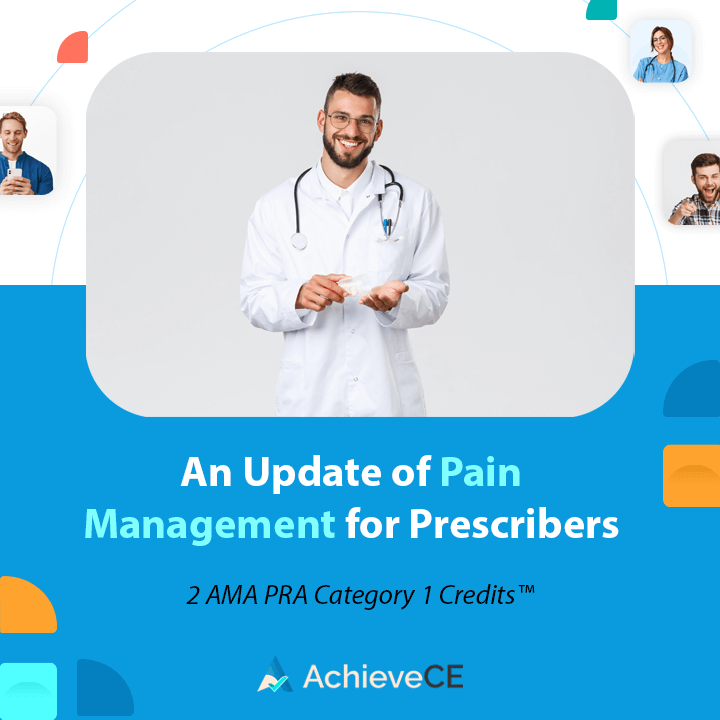
See full details chevron_rightThis course provides 2 AMA PRA Category 1 Credit for license renewal and talks about the pharmacology, adverse effects, dosage, and administration of FDA-approved treatments for acute pain like nonopioid analgesics, adjuvant pain medications, migraine medicines, Tramadol/Celecoxib (Seglentis), Bupivacaine/Meloxicam (Zynrelef), IV Meloxicam (Anjeso), and Benzhydrocodone/Acetaminophen (Apadaz).
See full details chevron_rightTarget Audience: Physicians focusing on Pain Management
See full details chevron_rightReceive special offers, keep up with MOC requirements and stay informed of the latest offerings in free online CME in your specialty.