-
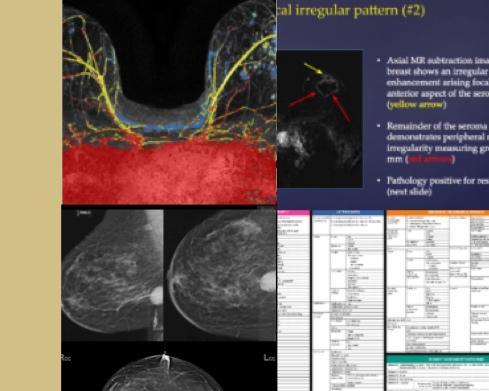
Intelligent case selection powered by AI, adapting to user feedback and specific requests.
-
A variety of presentations for the same type of abnormality each week, showcasing how these issues can appear across different modalities and within the same modality.
-
Clear, concise summaries highlighting essential radiological findings.
-
Interactive toggle options that reveal annotations emphasizing abnormalities for better understanding.
-
Easily shareable links, allowing users to send intriguing cases to colleagues for free access and learning. Check out an example of a shared case here.
Radiology CME
1 - 15 of 67 results
-
BoardVitals Radiology CME Board Review
The BoardVitals Radiology CME Review offers clinicians 60 AMA PRA Category 1 CreditsTM, 60 ABR SA-CME and over 1,450 Radiology board review questions. The questions cover key topics including musculoskeletal, interventional, and and nuclear. This question bank will assist clinicians with Radiology certification and recertification.
The BoardVitals Radiology CME Review also features:
- Quick and Convenient CME
- Computer, phone, and tablet access
- Constantly updated up-to-date questions
- Questions that are targeted specifically to the exam
- Online CME tracker
- 100% Pass Guarantee
- Statistical comparison to other Radiology test-takers (Nationally)
After completing this activity, you should be able to:
- Interpret image findings to make a diagnosis
- Recognize patient safety issues that arise in the context of medical imaging
- Understand pathophysiology, management, follow-up, and/or treatment of diseases pertinent to radiology
Target Audience: Radiologists
See full details chevron_right- Cost: $599
- Credit hours: 60
- CME credits awarded by: BoardVitals
- Format: On-Demand Online
- Material last updated: Continuously Updated
-
Zauron Labs – Guardian Lite CME Annual Subscription
Zauron’s Guardian Lite Annual Subscription provides clinicians with a weekly email providing four radiology cases, focused on pertinent abnormalities that are routinely observed by frontline healthcare providers interacting with all forms of imaging.
Key Features
See full details chevron_right- Cost: $497
- Credit hours: 52
- CME credits awarded by: University of Texas Health San Antonio
- Format: Online On-Demand Course
-
Meetings-by-Mail SVU 45th Annual Conference: Vascular Imaging Educators Workshop (VIEW)
ALL NEW and NOW AVAILABLE from the Society of Vascular Ultrasound 45th Annual Conference, the updated Vascular Imaging Educators Workshop (VIEW) delivers a complete educational experience regarding the use of vascular ultrasound. Lessons provided by more than 40 experts from the SVU will benefit all involved in the diagnosis and treatment of vascular disease. Worth 15.5 AMA PRA Category I Credits™, VIEW MEETS VASCULAR LAB CME REQUIREMENTS FOR ACCREDITATION.
Topics: Real time B-mode imaging, color and spectral Doppler, non-invasive techniques, lower extremity arterial, advanced arterial duplex, CLTI, cerebrovascular, transcranial doppler, abdominal imaging, hemodialysis access, carotid pathology and intervention, venous, ergonomics, professional development and much more!
See full details chevron_right- Cost: $645
- Credit hours: 15.5
- CME credits awarded by: Global Education Group
- Format: On-Demand Online, USB Flash Drive
- Material last updated: 2/15/2023
- Expiration of CME credit: 2/14/2026
-
Penn Radiology Comprehensive Neuroradiology: Advances in Practice
Comprehensive Neuroradiology: Advances in Practice provides a thoughtful discussion of a wide spectrum of brain, head, neck and spine imaging topics. Penn Radiology’s globally acclaimed faculty focuses on pattern recognition and interpretation of neuroimaging findings, which will result in more succinct differential diagnoses. A host of didactic and case based presentations will detail the impact of modality advances, with additional emphasis placed on neurovascular and degenerative disease. Worth 17.5 AMA PRA Category I Credits™, applicable towards Maintenance of Certification requirements.
See full details chevron_right- Cost: $695
- Credit hours: 17.5
- Format: On Demand Online
- Material last updated: December 15, 2024
- Expiration of CME credit: December 14, 2027
-
The Ultimate Master Clinicians CME Conference Bundle
Grow your clinical expertise with The Ultimate Master Clinicians CME Conference Bundle, an expert-led curated series covering urgent care, telemedicine, women’s health, and more. Designed for the clinician’s busy schedule, these on-demand lectures offer useful insights and knowledge to improve decision-making and treatment strategy.
See full details chevron_right- Cost: $849
- Credit hours: 53.5
- CME credits awarded by: Master Clinicians is accredited by the Accreditation Council for Continuing Medical Education (ACCME) to provide continuing medical education for physicians. This educational activity is eligible for 53.5 Category 2-B credit hours by the American Osteopathic Association.
- Format: On Demand Online
-
FEATUREDRECOMMENDED
MDCalc CME Bundle w/ $3,500 Amazon or Visa Gift Card
Maximize your CME allowance with MDCalc and get up to a $3,500 bonus gift card of your choice. Earn AMA PRA Category 1 CreditsTM for clinical content on 150+ calculators across multiple medical specialties. Easily earn and redeem CME at the point-of-care, online on our website or mobile app. Over 1 million medical professionals use MDCalc’s 550+ tools daily to support clinical decision making at the bedside.
See full details chevron_right- Cost: Varies
- Credit hours: Unlimited
- CME credits awarded by: EBMedicine
- Format: On-Demand Online
- Material last updated: Continuously Updated
-
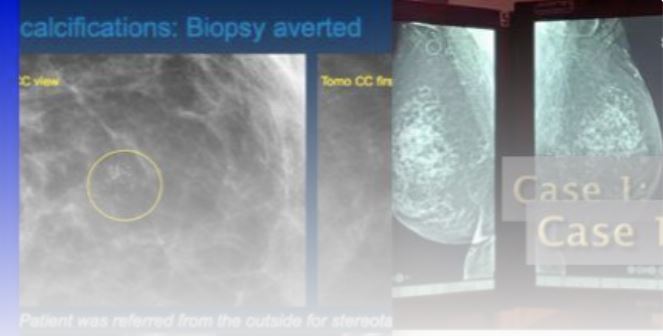
Breast Tomosynthesis: Initial Modality Training for MQSA
Latest Digital Breast Tomosynthesis. 8 Hours CME online, on-demand. Escalate your tomosynthesis practice:
Save time: tomosynthesis for easy biopsy
Efficient workflows
Refine reads: subtleties; pearls
Understand new technical options
Read cases along with experts who share observations, thoughts
Recognize “only on DBT” findings; understand why
Enable all breast readers with modality training
Avoid fruitless callbacks
Minimize artifacts
Free extra- Classic Kopans lecture: “Screening Mammography Saves Lives”
Concise, yet comprehensive: masses & calcifications, efficient workflow, all BI-RADS™ categories, relevant technology, quality control.Participation is fast and efficient. Work at your convenience on your schedule. Print your certificate online.
See full details chevron_right- Cost: $342
- Credit hours: 8
- CME credits awarded by: Efficiency Learning Systems, Inc. is accredited by the Accreditation Council for Continuing Medical Education (ACCME) to provide continuing medical education for physicians.
- Format: On-Demand Online
- Material last updated: 01/01/2024
- Expiration of CME credit: 01/01/2026
-
Artificial Intelligence in Radiology
Artificial Intelligence in Radiology will provide imagers of all experience levels with the introductory information and foundational skills necessary to thrive in a future impacted by AI integrated healthcare. Developed in collaboration with Artificial Intelligence Medical Education (AiME), this activity is designed to demonstrate AI’s radiology applications, its potential to enhance clinical practice and its limitations. As such, this practical and clinically relevant overview will detail the strengths and weaknesses of this emerging technology. No prior AI experience is necessary to benefit from this first of its kind activity, with applications presented for a myriad of imaging subspecialties. Worth 11 AMA PRA Category I Credits™
See full details chevron_right- Cost: $495
- Credit hours: 11
- Format: On-Demand Online
- Material last updated: August 7, 2023
- Expiration of CME credit: August 6, 2026
-
RECOMMENDED
Medality/MRIOnline Radiology CME Annual Premium Membership with $1500 Amazon Gift Card
Get unlimited access to our MRIOnline’s radiology course library with thousands of expert case reviews, didactic lectures, case stacks, and quizzes designed for flexibility. Earn virtually unlimited radiology CME hours to meet your requirements. Plus get a $1,500 Amazon Gift Card with purchase. (2-year access)
See full details chevron_right- Cost: $4000
- Credit hours: 600+
- CME credits awarded by: MRI Online
- Format: Online
-
Penn Radiology Comprehensive Neuroradiology: Imaging Ideals
Penn Radiology’s renowned faculty provides a thorough review of best practices in Neuroradiology. Comprehensive Neuroradiology: Imaging Ideals will benefit imagers, neurologists and neurosurgeons with an extremely detailed analysis of anatomy, techniques, modalities and procedures. Worth 23 AMA PRA Category I Credits™, applicable toward Maintenance of Certification requirements.
See full details chevron_right- Cost: $695
- Credit hours: 23
- Format: On-Demand Online
- Material last updated: November 20, 2022
- Expiration of CME credit: November 19, 2025
-
SAVE 50% OR EARN UP TO A $3200 GIFT CARDFEATUREDRECOMMENDED
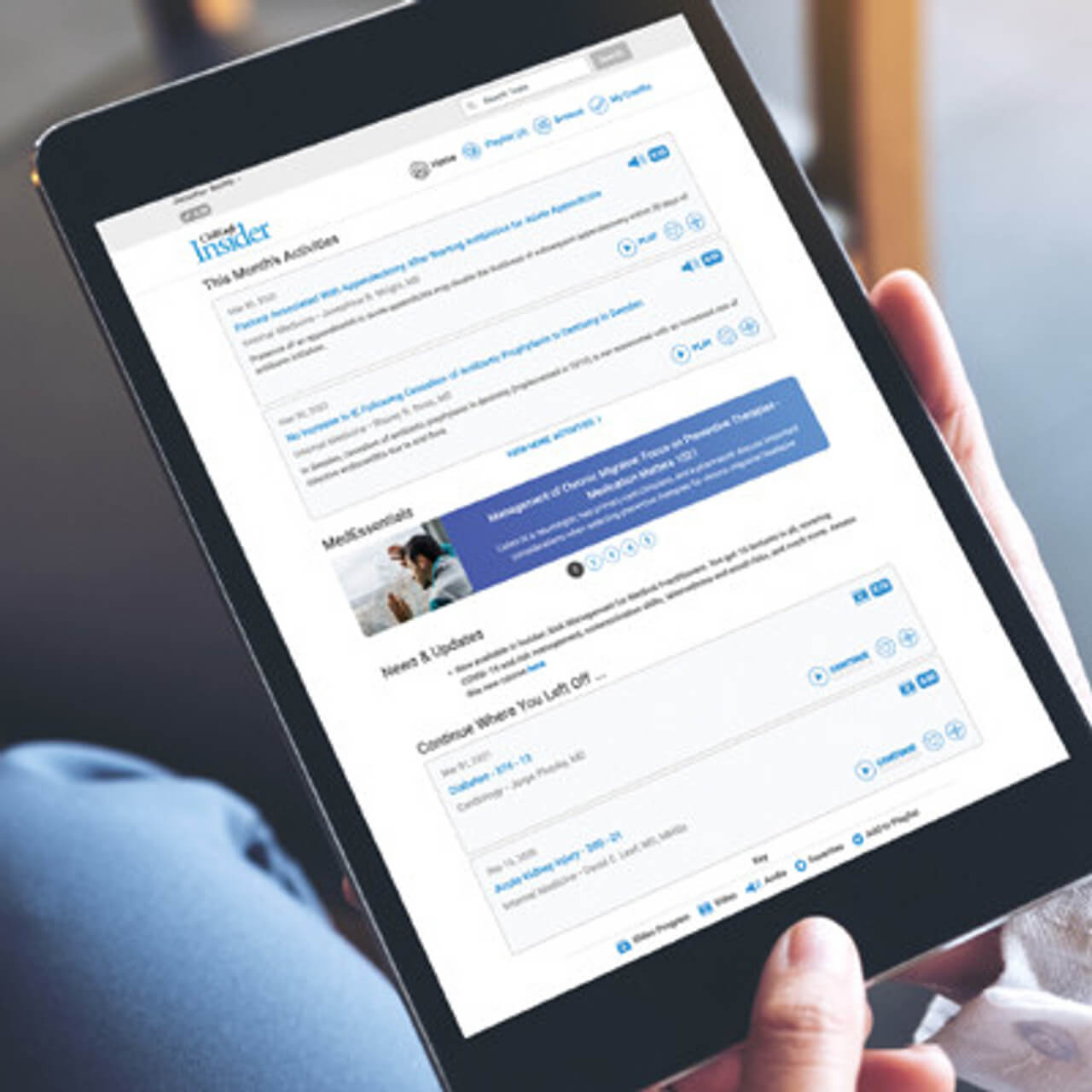
Oakstone CME CMEinfo Insider w/ up to $3,200 Gift Card
CMEinfo Insider is developed for medical professionals who want to save time & money. Get a $3,200 Amazon® gift card or save up to $3,200 when you join today!
Stay current on cutting edge content in your primary specialty, with a limitless opportunity to research topics important to you and your patients, earn unlimited AMA PRA Category 1 Credits,™ and take advantage of exceptional CME gift card opportunities.
A World of Medical Information at Your Fingertips
We partner with premier medical teaching institutions, professional associations, and highly regarded clinicians to deliver top-notch CME activities. They bring you the most relevant medical information for you to review and apply in your own practice.Connect to CMEinfo Insider and get:
- Comprehensive one-stop online resource for all stages of your medical career
- 24/7 access to the entire Insider library of board reviews, clinical updates, and journal article summaries from your computer, tablet or mobile device
- Earn all the AMA PRA Category 1 Credits™ you need
- Over 18,000 journal article summaries with audio commentary
- Over 1,230 board review and clinical update activities offered in video format
- New, cutting-edge topics added every month at no additional charge
- Online quizzes and instant pass/fail notification
- Unbiased and evidence-based content with no external advertising
- Pass board certification and maintenance of certification exams — guaranteed!
- Plus, save up to $3,200 or get up to a $3,200 Amazon® gift card when you join today! Please note that your receipt will be itemized per guidelines set forth by the ACCME for any accredited CME purchase sold in combination with a gift card. The gift card value is not a tax deductible professional expense. (See Gift Card Disclosures section below for further details.)
- Cost: $1999
- Credit hours: Unlimited
- CME credits awarded by: Oakstone Publishing
- Format: On-Demand Online, Online Video, Online Audio
- Material last updated: Continuously Updated
-
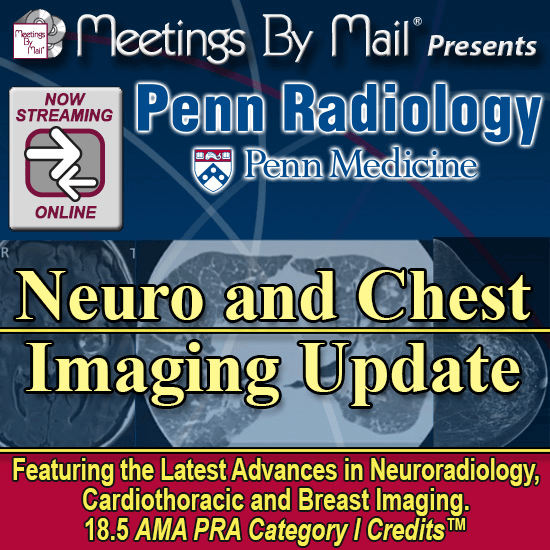
Penn Radiology Neuro and Chest Imaging Update
Penn Radiology’s widely acclaimed faculty provides critical pearls, pitfalls and protocols in the areas of neuroradiology, cardiothoracic and breast imaging. Neuro and Chest Imaging Update focuses on practical imaging issues to improve interpretation across a wide range of common and uncommon clinical scenarios. Multi-modality, cutting edge practices will be discussed, highlighting potential misinterpretations and strategies for optimal patient care. Radiologists in clinical practice and in training will benefit from this meticulous analysis of neuroradiology and chest imaging’s latest advances. Worth 18.5 AMA PRA Category I Credits™.
See full details chevron_right- Cost: $595
- Credit hours: 18.5
- Format: On-Demand Online
- Material last updated: May 5, 2023
- Expiration of CME credit: May 4, 2026
-
Medality/MRIOnline Radiology CME Annual Premium Membership with $1000 Amazon Gift Card
Get unlimited access to MRIOnline’s radiology course library with thousands of expert case reviews, didactic lectures, case stacks, and quizzes designed for flexibility. Earn virtually unlimited radiology CME hours to meet your requirements. Plus get a $1,000 Amazon Gift Card with purchase. (1 year access)
See full details chevron_right- Cost: $2500
- Credit hours: 600+
- CME credits awarded by: MRI Online
- Format: Online
-
Breast Imaging CME: Hot Topics I
A balanced program of case and didactic presentations covering Tomosynthesis, Ultrasound, MRI, and multimodality approaches with practical details. The cases and presentations include biopsy and breast imaging issues you face every day. Also includes timely technology for synthetic 2D imaging for your tomosynthesis practice. Fulfill your 15 hour, 3 year MQSA CME requirement.
See full details chevron_right- Cost: $491
- Credit hours: 15
- CME credits awarded by: Efficiency Learning Systems, Inc.
- Format: Demand Online, Video
- Expiration of CME credit: 01/01/2026
-
FEATURED
Medality All-Fellowship Pass – 1 year
Get access to all Medality Self-paced Fellowship Certificate Programs!
Fellowship Certificates are interactive online training programs that combine high-yield practice cases and expert-led instruction to help you become a faster, more confident reader of imaging studies across all major subspecialties and modalities and – all without taking time off work!
See full details chevron_right- Cost: $3999
- Credit hours: 500+
- Format: Online