




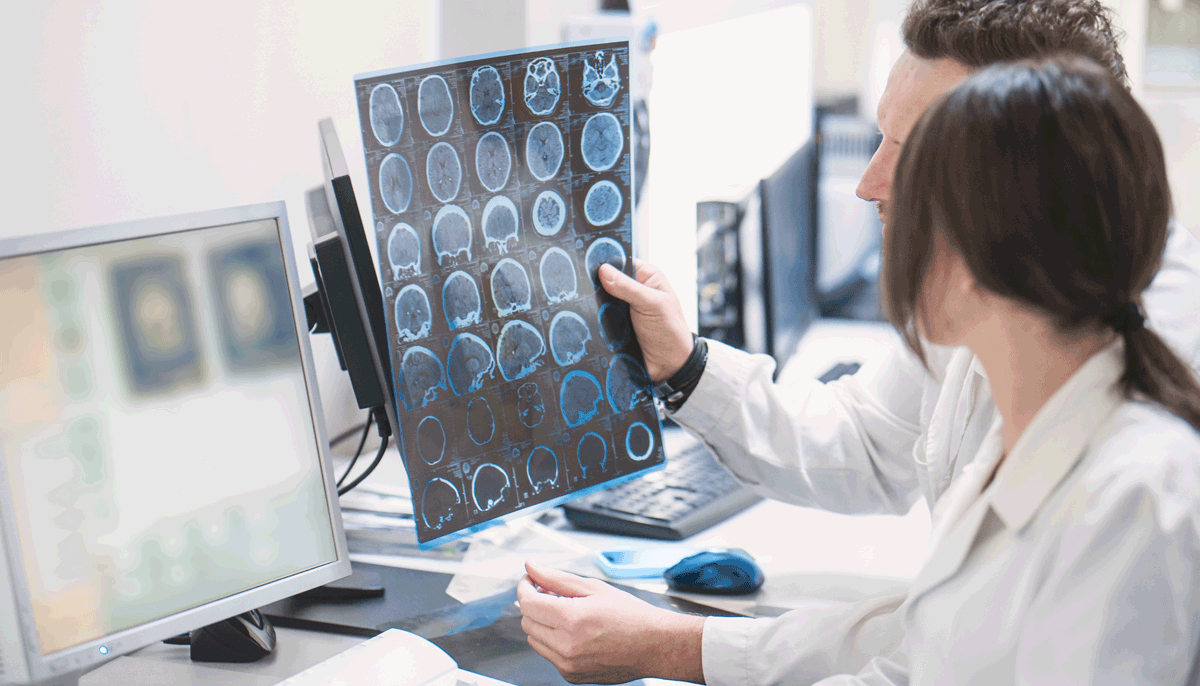
Early disease detection is increasingly relying on accurate and non-invasive diagnostic tools like radiology to achieve positive outcomes in patient treatment. In recent years, radiology has undergone a remarkable transformation due to technological innovation, policy changes, and the remodeling of patient care methods.
In this article, we’re discussing the major trends that will influence radiology in 2025 and beyond. This aligns with our commitment to keep medical professionals up to date with important learning resources.
As a radiologist, primary care provider, or clinician who works alongside imaging services, it’s important to be aware of these changes for your career development.
Radiology Is Evolving Fast While Creating a Significant Manpower Shortfall
From emergency departments to outpatient centers, demand for radiology services has grown exponentially, in part due to hospitals expanding their outpatient radiology services. This growth has inevitably led to a shortage of radiologists, with studies by the AAMC revealing that the U.S. is likely to face a shortage of up to 42,000 radiologists and physician specialists by 2033.
This shortfall is putting a serious strain on healthcare services, forcing providers to use interventions like changing their patient care models, providing better compensation for specialists, and investing in smarter technology.
The upshot is that CME-certified radiology professionals now have more opportunities to upskill and be part of technological advances in diagnostic care.
AI is Revolutionising Diagnostics
AI in imaging is generating interest that goes beyond buzzwords, and is attracting investment and cross-industry collaborations. In 2023, the global AI medical imaging market was valued at $1.29 billion and is forecasted to reach $1.65 billion in 2029, according to GlobeNewswire. This represents an impressive CAGR of 22.4%
Already, about 53% of hospitals are using at least one imaging AI product in the US, according to Andrew Colbert, Senior MD of Ziegler. AI has proven to be useful in improving diagnostic accuracy, automating image interpretation, and speeding up turnaround time, especially in facilities that have serious radiologist shortages. In outpatient settings, AI and other advanced technologies are expected to improve efficiency and accuracy while contributing to rapid reporting.
Clinicians now have a chance to take up AI training and CME offerings that include machine learning applications in radiology.
Mammography Is The New Imaging Frontier In 2025
While imaging technologies like MRI, X-ray, and ultrasound continue to be critical in patient care, mammography is emerging as the next growth area. Recognizing this, providers are now building a separate capability set that focuses on women’s health and wellness. They have set up boutique-style imaging centers, featuring spa-like amenities that encourage regular screening while building patient trust.
For a medical professional practising family medicine, OB/GYN, or internal medicine, an in-depth understanding of mammography and any related advancements and regulatory changes is critical. As new guidelines, techniques, and technologies emerge, this will form an important area for CME engagement.
Changes in Breast Density Laws and CON Repeals are Empowering Women
The regulatory environment is changing fast. Breast density notification laws, which came into effect on September 10, 2024, are taking shape, ensuring all women are informed about the risks of breast density after cancer screenings. This empowers patients to make informed decisions about supplemental screening and is expected to contribute significantly to early cancer detection.
Radiology practices are now taking the necessary steps to fulfill these legal requirements, including educating patients, improving reporting, and providing more screening options. This has led to CME courses on breast density, patient communication, and supplemental imaging becoming even more relevant for medical professionals advancing their studies.
Hand in hand with this, several states have repealed their Certificate of Need (CON) laws that were created to control costs and prevent unnecessary duplication. While well-intentioned, these laws inadvertently limited imaging center capabilities by controlling their capital expenditure. Repealing them has paved the way for increased access to imaging services, especially in areas with high demand. This move creates more opportunities for radiologists and technicians in this field to work in flexible outpatient settings.
Growing Shift Toward Outpatient Radiology Services
One of the most significant trends in 2025 is the migration of radiology services from inpatient facilities to outpatient settings. The high cost of inpatient imaging, which can be three times as high as for outpatients, has only served to fuel this trend further. With these changes, outpatients can now enjoy easier access, shorter wait times, and convenient scheduling of appointments in a less stressful environment.
For both clinicians and radiologists, this shift further emphasizes the need for CME courses that are geared towards outpatient care, with special focus on imaging efficiency and workflow efficiency.
Conclusion: Stay Ahead with Expert-Led Radiology Board Review Resources
The radiology field is changing fast due to advances in AI, shifts towards outpatient care, and new screening guidelines. Medical experts must stay current to ensure quality care and maintain certification.
CMEList offers accredited CME courses that mirror these emerging trends, keeping learners informed. Browse our curated selection of radiology board review courses to help you advance your radiology career.