
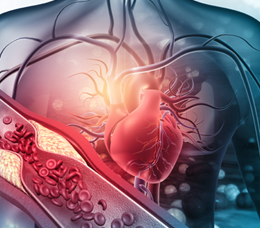
Med-IQ CME: LDL-C Management in High-Risk ASCVD: Current Treatment Options and the Evolving Role of PCSK9 Inhibitors
In this MedX activity, Michael Blaha, MD, explores the evolving landscape of low-density lipoprotein cholesterol (LDL-C) management in patients with atherosclerotic cardiovascular disease (ASCVD), with a focus on the current role of proprotein convertase subtilisin/kexin type 9 (PCSK9) inhibitors and how emerging novel PCSK9 inhibitor formulations may be integrated into clinical practice as they become available.
Cost: Free
View Offer chevron_rightKey Features
Atherosclerotic cardiovascular disease (ASCVD) remains the leading cause of death and disability in the United States. Clinicians often fail to initiate or escalate lipid-lowering agents in patients with ASCVD and uncontrolled low-density lipoprotein cholesterol (LDL-C). As a result, fewer than half of high-risk patients achieve recommended LDL-C goals. Notably, the use of proprotein convertase subtilisin/kexin type 9 (PCSK9) inhibitors remains low, in part due to practical limitations associated with injections. However, next-generation PCSK9 inhibitors are being developed to improve their acceptability and convenience, and at least 2 are in late-stage development. Clinicians would benefit from education that explores the evolving landscape of lipid management in ASCVD, including the current role of PCSK9 inhibitors and how novel formulations may be incorporated in clinical practice as they become available.
Topics Covered
Explores the evolving landscape of low-density lipoprotein cholesterol (LDL-C) management in patients with atherosclerotic cardiovascular disease (ASCVD),
Learning Objectives
1. Choose optimal treatment for LDL-C management in high-risk patients with ASCVD
2. Explain the benefits and limitations of currently available agents in managing LDL-C levels in high-risk patients with ASCVD
3. Review the clinical trial data of emerging injectable and oral PCSK9 inhibitors
Target Audience
This activity is intended for cardiologists, primary care physicians, physician associates, nurse practitioners, nurses, and other members of the cardiovascular care team.
Additional credit info
Med-IQ designates this enduring material for a maximum of 0.5 AMA PRA Category 1 Credit™. Physicians should claim only the credit commensurate with the extent of their participation in the activity.
Med-IQ is accredited by the Accreditation Council for Continuing Medical Education (ACCME) to provide continuing medical education for physicians.